
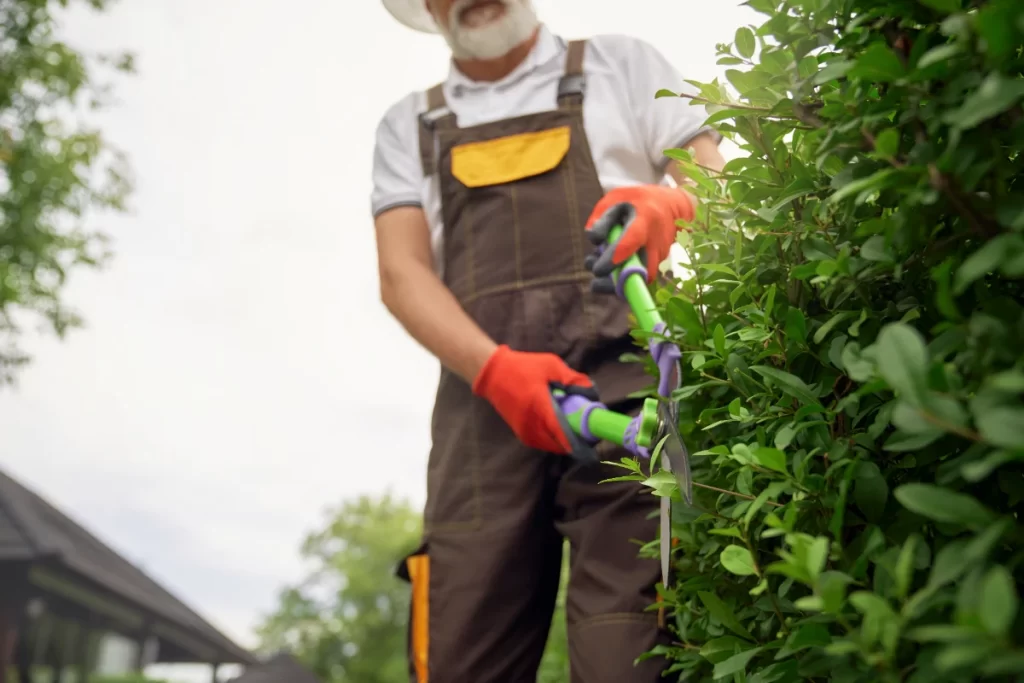
The beginning of winter represents a strategic period for hedge and shrub care across Western Washington. January, in particular, combines low temperatures with frequent rainfall and periods of wind that can compromise the structure of poorly prepared plants. Although overall plant growth slows, the weight of accumulated moisture and the absence of prior maintenance can lead to breakage, distortion, or damage that persists into spring.
Proper intervention during this stage is not intended to stimulate growth, but rather to preserve shape, reduce risk, and protect overall plant health. For homeowners and property managers in the greater Shoreline area, well-planned winter maintenance reinforces landscape stability and allows shrubs to withstand the remainder of the cold season more effectively.
How to Identify Whether a Hedge or Shrub Needs Winter Pruning
Not all shrubs require pruning during winter and knowing when to intervene is essential to avoid unnecessary stress. In January, attention should focus on light corrective pruning that removes damaged, unbalanced, or at-risk branches that may break due to wind or moisture buildup. Plants with irregular growth patterns or crossing branches often benefit from targeted adjustments that improve structural balance.
In the Pacific Northwest, many ornamental species tolerate light pruning during dormancy. Evergreen shrubs, formal hedges, and species commonly found on professionally-maintained properties can be pruned carefully, provided that excessive foliage is not removed. This approach is common within professional gardening services in Shoreline, where the priority is maintaining form without compromising plant vitality.
Deep pruning should be avoided on cold-sensitive plants or those that bloom on old wood, as improper cuts can affect future flowering. Careful observation and knowledge of each species make the difference between preventive maintenance and unnecessary damage.
Recommended Practices and Common Mistakes in January
Winter hedge maintenance requires precision and restraint. One of the most common mistakes is over-pruning, which leaves plants exposed to late frosts and accelerates moisture loss. Poorly executed cuts are also frequent, creating tears that allow disease to enter during cold, wet conditions.
Some of the most effective January practices include:
- Removing dead, weak, or broken branches before wind causes further damage
- Lightly shaping formal hedges to maintain clean, defined lines
- Eliminating protruding shoots that disrupt the overall form
These actions are routinely incorporated into gardening maintenance services in the Western Washington area, where the focus is on reducing structural risk without triggering new growth.
Weather conditions also play a critical role in timing. Pruning should be avoided during frost events, heavy rainfall, or when foliage remains fully saturated. Cutting under these conditions increases plant stress and slows the natural healing process.
Local Considerations for Shoreline, Lake Forest Park, and Surrounding Areas
Winter hedge and shrub maintenance varies according to local conditions. In Shoreline, consistent moisture and coastal winds increase the risk of breakage in dense hedges, making light pruning essential to reduce weight and wind resistance. In Lake Forest Park, wooded environments create prolonged shade and moisture retention, requiring improved airflow to prevent foliage deterioration.
On professionally-managed residential and commercial properties, preventive winter pruning is part of a broader maintenance strategy that reduces costly corrective work in spring and supports a clean, orderly appearance year-round. The goal of winter work is not to redesign the landscape, but to protect its structure and prepare plants for balanced growth as weather conditions shift.
Addressing winter-related challenges early strengthens overall landscape health and improves seasonal care outcomes. To receive professional guidance and schedule a hedge and shrub maintenance plan tailored to your property, contact us. We will be happy to provide expert support and help protect your landscape through winter while preparing it for a strong transition into spring.