
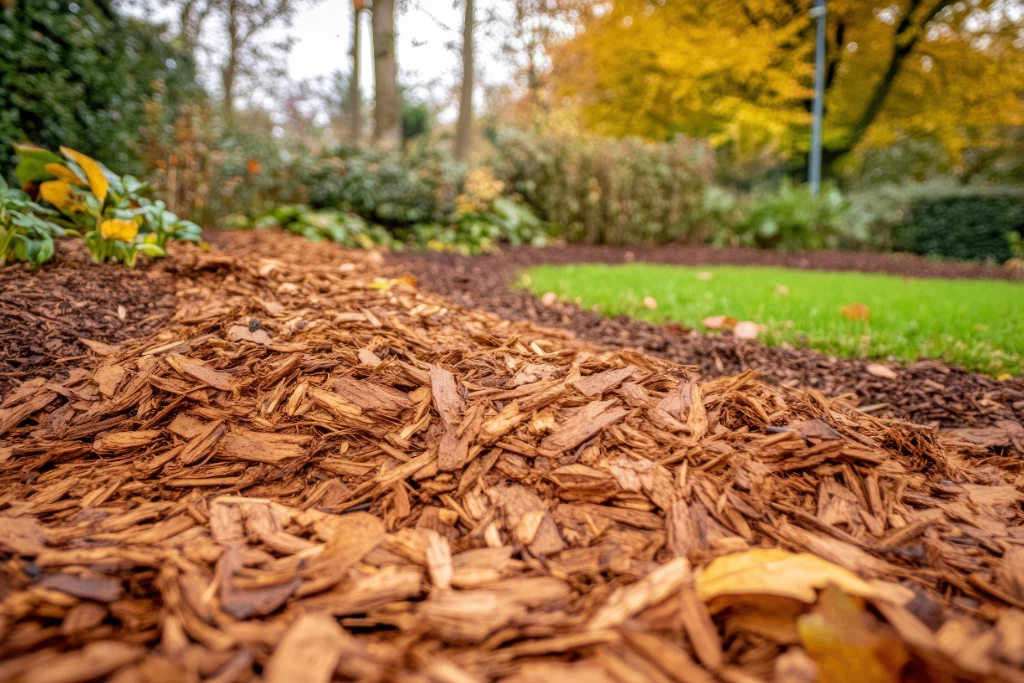
Winter in Washington often feels like a pause for outdoor projects, but for garden beds and planting, it can be one of the most strategic times of the year. Cooler temperatures, steady rainfall, and slower plant growth create ideal conditions to protect your soil, refresh tired beds, and install hardy plants that will be ready to thrive in spring.
For homeowners in Shoreline, Lake Forest Park, Edmonds, Mountlake Terrace, Lynnwood, and North Seattle, winter is a great moment to think about structure and protection rather than quick color. With the right mulch, soil care, and plant choices, your landscape can handle heavy rain, avoid erosion, and come into the growing season healthier and easier to maintain.
Why Winter Is a Smart Time to Add Mulch in Washington
Winter mulching is not just about looks. In our climate, it plays a key role in managing moisture and preserving soil structure through the rainiest months of the year. A well-installed layer of mulch helps your landscape stay stable and healthy until temperatures warm up.
1. Moisture Control and Soil Protection
During winter storms, uncovered soil can compact, erode, and lose nutrients quickly. A thoughtful mulch layer supports your beds by:
- Softening the impact of heavy rain.
- Reducing erosion on slopes and exposed areas.
- Slowing nutrient leaching in well-used garden beds.
By keeping the surface covered, you protect delicate soil biology and give roots a more stable environment. This matters whether you have existing beds or you’ve just completed mulch, soil, and stone installation in the Washington area as part of a larger landscape project.
2. Temperature Regulation and Root Health
Even in a relatively mild climate, winter temperature swings can stress plant roots. Mulch works like an insulating blanket, moderating those shifts. That helps:
- Protect shallow roots from sudden cold snap.
- Support consistent moisture levels.
- Encourage stronger root systems heading into spring.
For landscapes that include new trees, shrubs, or a fresh landscape plan in Shoreline or nearby communities, winter mulching is an extra layer of insurance for your investment.
Before adding fresh mulch, it’s important to make sure the soil underneath is doing its job. Winter is an excellent time to assess whether your beds need renewal, especially in landscapes that have been heavily planted or haven’t been refreshed in several years.
How to Tell When a Bed Needs Soil Renewal
A garden bed can look fine from the surface while struggling below. Some clear signs that your soil may need attention include:
- Water pooling or running off instead of soaking in.
- Very hard or compacted soil that’s difficult to dig into.
- Plants that are yellow, weaken, or grow poorly despite regular care.
- Crusted or cracked surface after storms.
If you notice these issues in your garden or in areas where you’ve planned mulch, soil, and stone installation, it usually means the structure and organic matter in the soil need help.
Basic Winter Soil Preparation Steps
Once you’ve decided a bed needs renewal, a simple winter refresh can make a big difference:
- Clear the surface
Remove leaves, weeds, and dead plant material so you can see the soil and avoid trapping disease or pests under the mulch layer. - Loosen the top layer
Gently cultivate the top 3–4 inches to break up compaction from rain and foot traffic without disturbing deeper roots more than necessary. - Incorporate compost or amendments
Add high-quality compost or a suitable amendment based on the drainage and planting needs of the bed. This boosts nutrients and improves texture. - Set grade and edges
Shape the bed so water flows away from foundations and doesn’t pool in low areas, especially important for long-term landscaping and maintenance in Washington’s wet months. - Apply mulch as a protective cover
Once the soil is prepped, mulch locks in your work, protecting the refreshed bed through the rest of winter.
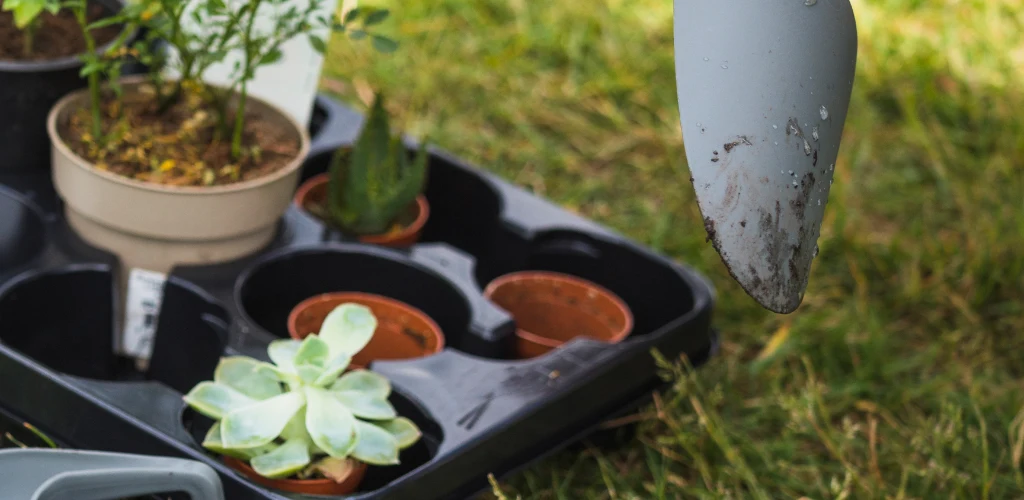
Recommended Plants for Winter Installation in Washington
Winter is an excellent time for professional plant installation in the Washington area, especially for trees, shrubs, and many perennials. While top growth is slow or dormant, roots can quietly establish in cool, moist soil.
1. Trees and Shrubs That Establish Well in Winter
In our region, the following trees and shrubs are good candidates for winter planting when installed with proper soil preparation and mulching:
- Vine maple and other hardy ornamental maples.
- Evergreen huckleberry and Oregon grape for year-round structure.
- Red-flowering currant and other native shrubs that support wildlife.
- Boxwood and other foundation shrubs that frame pathways and entries.
These selections integrate well into updated landscape plan in Shoreline and surrounding communities, providing structure, privacy, and seasonal interest.
2. Perennials and Groundcovers for Cool-Season Planting
Perennials with strong root systems and good tolerance for moisture perform especially well with winter installation:
- Sword ferns and native ferns for shade and slopes.
- Hardy ornamental grasses and sedges that handle wet winters.
- Hellebores and other winter-tolerant perennials that add off-season color.
When these plants are installed into prepared soil and finished with a clean mulch layer, they enter spring stronger and more resilient, reducing maintenance needs long term.
Building a Healthier Winter Landscape
Thoughtful winter work sets the stage for a stronger, easier-to-maintain property all year. By combining soil renewal, careful mulch application, and well-planned winter plant installation, homeowners in Shoreline, Lake Forest Park, Edmonds, Mountlake Terrace, Lynnwood, and North Seattle can protect their investment and improve curb appeal. Our team specializes in landscaping and maintenance in Washington with a focus on long-term health and practical, beautiful results.
If you’re ready to prepare your garden beds for winter, install new plants, or update the look and function of your landscape, contact Ballinger Landscaping. We’ll help you plan and complete a winter-ready landscape that supports healthy growth and looks great through every season.