
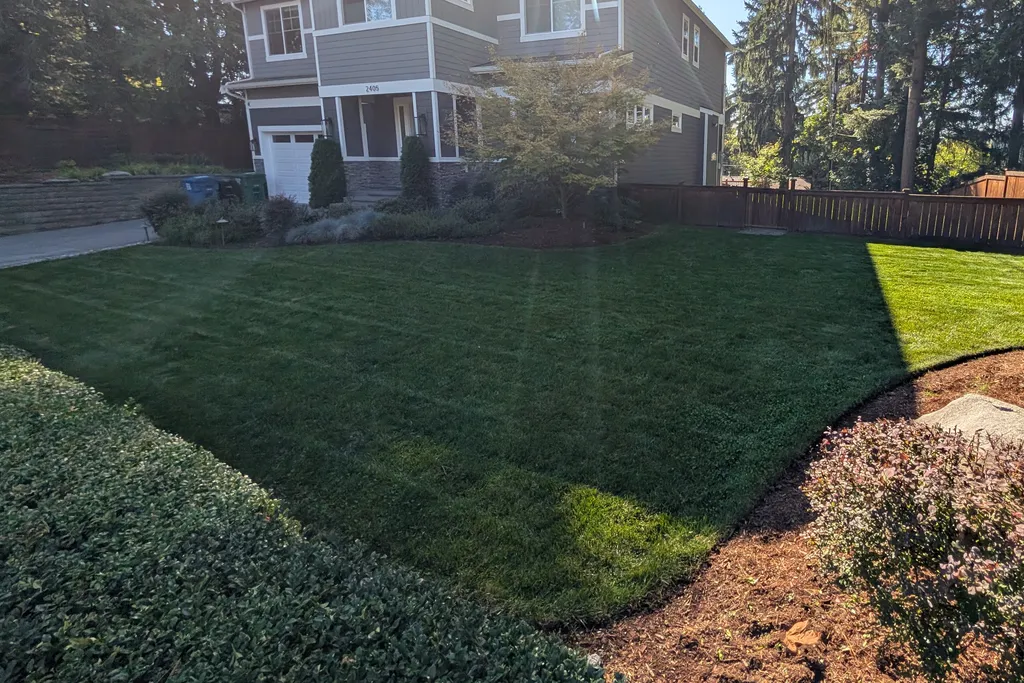
When winter ends in Western Washington, gardens begin to slowly awaken. After months of constant rain, low temperatures, and moisture-saturated soils, early spring is the ideal time to assess soil conditions and strategically apply mulch, compost, and soil. Proper management of mulch and soil at this stage helps plants start the season with better growing conditions, less weed competition, and more stable moisture levels.
For those seeking gardening, landscaping, or yard maintenance services in the Shoreline area, understanding how to manage mulch and restore soil after winter allows for better decisions regarding garden health throughout the year.
Why Mulch Is Essential at the Start of Spring
Mulch serves several essential functions in residential gardens, especially at the beginning of the growing season. When applied correctly, it acts as a protective layer that stabilizes the soil’s environment.
Some of the main benefits of mulch include:
- Soil temperature regulation – During spring, temperatures still fluctuate. Mulch helps keep soil more stable, protecting young roots.
- Moisture retention – Although Western Washington receives plenty of rain, dry periods can appear by late spring. Mulch helps conserve available moisture.
- Natural weed control – A proper layer of mulch significantly reduces weed germination in garden beds.
- Protection against soil compaction – Constant rain can compact the soil surface. Mulch helps reduce this impact.
- Aesthetics – Mulch looks nice, making open spaces look tidy and planned.
When to Remove or Renew Mulch Applied in Winter
In many gardens across Western Washington, mulch is applied in the fall or winter to protect the soil. However, when spring arrives, it is important to assess its condition.
There are three common scenarios:
Mulch Still in Good Condition
If the mulch still has a good texture and is not overly compacted, it is usually sufficient to gently loosen it with a rake to improve air circulation.
Degraded or Compacted Mulch
After several months of heavy rain, mulch can start to break down or become compacted. In this case, the ideal steps are:
- Partially remove the old layer
- Mix the decomposed material into the soil
- Apply a new layer about 2 to 3 inches thick
Mulch Too Thick
A common mistake is to accumulate too much mulch year after year. If the layer exceeds 4 inches, it can prevent the soil from breathing and affect the roots. In this case, it is advisable to remove the excess before renewing.
Landscaping maintenance companies typically check mulch’s condition during spring maintenance visits.
How to Improve Soil After Months of Rain
Winters in Western Washington often leave the soil saturated and lacking structure. Before planting or renewing garden beds, it is important to evaluate the soil’s condition.
Some recommended improvements include:
Incorporating compost
Compost is one of the best ways to restore soil structure. It helps to:
- Improve aeration
- Increase biological activity
- Facilitate drainage
Adding soil amendments
Depending on the soil type, you may use:
- Organic amendments
- Planting mixes
- Materials to improve drainage
Using gravel or stone in areas with poor drainage
In spots where water accumulates, a thin layer of gravel or stone can help improve drainage before adding planting soil.
Signs That Soil Is Tired or Saturated
After winter, it is common for soil to need recovery. The constant rains in Western Washington often leave the ground saturated and lacking aeration, which affects healthy plant growth.
Clear signs include soil that remains wet for several days, a sticky or compacted texture, weak plant growth, persistent moss, and poor water drainage. These conditions are frequent in many properties in the area due to the combination of prolonged rainfall, compacted soil, and areas with high clay content.
For those providing gardening services, evaluating soil conditions at the start of spring is a key step to prepare the garden and ensure healthy development throughout the season.
How to Prepare Garden Beds for Spring Planting
Before installing new plants or refreshing your garden, it is advisable to follow a simple soil preparation process.
Step 1: Clean the Area
Remove:
- Accumulated leaves and other fallen debris
- Weeds
- Old, deteriorated mulch
Step 2: Loosen the Soil
Use garden tools to gently break up the top layer of soil and improve aeration.
Step 3: Add Compost or Amendments
Mix organic material with the existing soil to enhance its structure.
Step 4: Level and Prepare for Planting
Once the soil is loose and enriched, the area is ready for installing plants, shrubs, or new garden beds.
Step 5: Apply Fresh Mulch
After planting, apply an even layer of mulch to protect the soil and retain moisture.
This process is essential in residential landscaping projects and for spring garden maintenance.
Preparing the Soil Now Improves Your Garden All Year Long
The beginning of spring is one of the most important times for garden care. Proper management of mulch and soil helps reduce weed problems, improves plant growth, and keeps your garden healthy throughout the season.
For those searching for yard maintenance, gardening services, or landscaping services in the Shoreline area, working with professionals who understand local soil and climate conditions can make a significant difference in the health of your landscape.
At Ballinger Landscaping, we are ready to help you prepare your garden for spring. Whether your space needs fresh mulch, soil improvement after winter, or garden beds prepared for new plantings, our team can handle the entire process. We work to keep your garden healthy, balanced, and ready for a strong and sustainable growing season. Contact us to schedule your service and start spring with a well-prepared garden.