
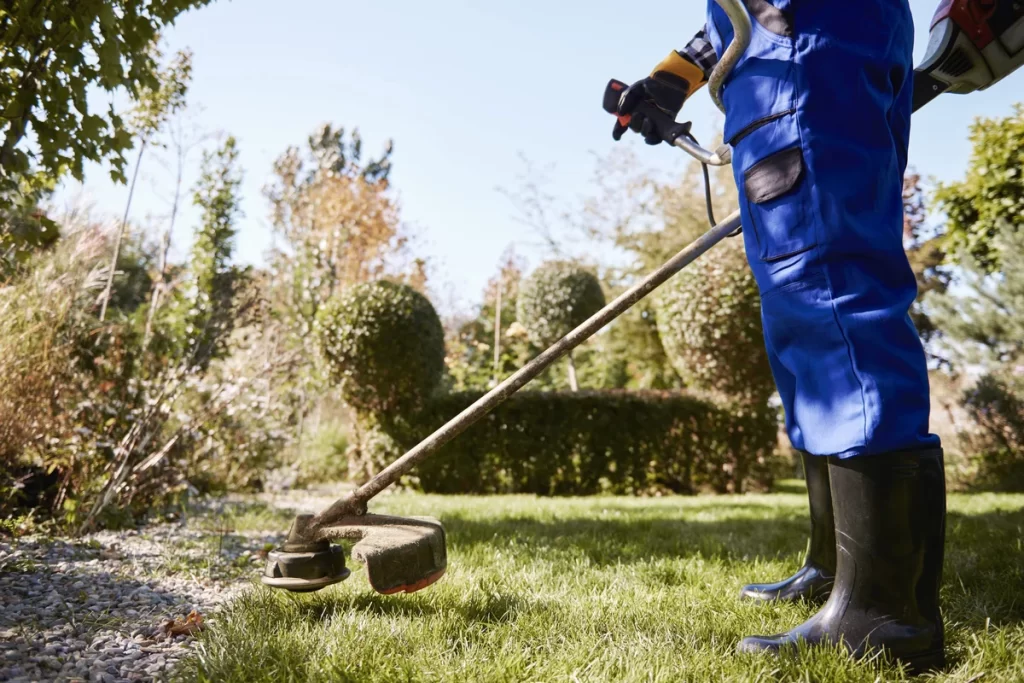
A summer yard cleanup helps protect your landscape from dry-season stress, fire hazards, weeds, and water waste. In cities like Shoreline, Lake Forest Park, and Edmonds, the best approach is to remove dry debris, prune for airflow, control weeds, refresh mulch, check irrigation, and keep outdoor spaces clean before summer conditions become harder on your yard.
At Ballinger Landscaping, we understand how quickly Western Washington landscapes can shift from wet spring growth to dry summer pressure. After months of rain, lawns, garden beds, shrubs, and trees often enter summer with heavy growth, compacted debris, mossy surfaces, and weeds competing for moisture. A well-timed cleanup gives your property a healthier foundation for the season while improving safety and curb appeal.
How to Clean Up Your Yard for a Healthier Summer Landscape
1. Remove dry debris before it becomes a safety risk
Dry leaves, fallen twigs, pine needles, and dead plant material collect around garden beds, fences, decks, walkways, gutters, and your home’s foundation. During Washington’s dry summer, this debris can increase fire risk and make your landscape look neglected.
A strong summer cleanup should start by clearing dry organic material from high-risk areas. Pay special attention to the space closest to your home, garage, shed, and outdoor structures. Keeping the first few feet around buildings cleaner and less cluttered helps reduce flammable material while making it easier to inspect your landscape for drainage problems, pests, or plant stress.
This is especially important for properties with mature trees, evergreen needles, dense shrubs, or wooded edges, which are common throughout Shoreline and Lake Forest Park. Regular removal of dry debris is one of the simplest ways to support safer, cleaner, and more manageable yards in Shoreline.
2. Prune trees and shrubs to improve airflow and plant health
Spring growth can leave trees and shrubs looking full, but too much density limits airflow and traps moisture inside the plant canopy. In Western Washington, where mildew, fungal issues, and damp microclimates are common, proper pruning can make a noticeable difference.
Summer pruning should focus on removing dead, damaged, diseased, crossing, or crowded branches. It is also a good time to trim growth away from walkways, windows, siding, driveways, and outdoor living areas. This improves visibility, access, and safety while helping plants maintain a cleaner shape.
Good pruning is not about cutting everything back aggressively. It is about knowing what to remove, where to make cuts, and how much growth the plant can handle during the season. For homeowners in Shoreline, professional pruning can be especially helpful when shrubs have become overgrown or when trees are close to structures.
3. Pull weeds early and refresh mulch to conserve moisture
Weeds often thrive after wet spring weather, then become a bigger problem in summer when they compete with landscape plants for water and nutrients. Removing weeds before they set seed helps reduce future growth and keeps garden beds looking intentional.
After weeding, mulch is one of the most effective ways to protect your soil during summer. A fresh layer of bark, wood chips, or another appropriate organic mulch helps retain moisture, regulate soil temperature, reduce weed pressure, and give planting areas a finished appearance. Mulch is especially valuable in sunny garden beds, around shrubs, and in areas where soil dries out quickly. We recommend keeping mulch slightly pulled back from stems and trunks so plants can breathe and avoid rot.
4. Check irrigation systems for leaks, clogs, and inefficient watering
Summer landscape care is not just about watering more. It is about watering better. Sprinklers, drip lines, and irrigation zones should be inspected before the hottest part of summer to make sure they are working efficiently.
Look for broken sprinkler heads, clogged drip emitters, overspray onto sidewalks, dry patches in the lawn, soggy areas, and signs of uneven coverage. Even a small leak or misdirected sprinkler can waste water and leave parts of the landscape stressed.
Watering early in the morning (between 5:00 and 9:00am) is usually best because it reduces evaporation and gives plants time to absorb moisture before the heat of the day. Deep, less frequent watering also encourages stronger root growth compared with shallow daily watering. For properties with larger lawns, mixed plantings, or sloped areas, a professional irrigation review can help improve water efficiency and reduce unnecessary runoff.
5. Edge lawns and clean walkways for a sharper, safer property
Lawn edges, sidewalks, patios, and garden borders often lose definition after spring growth. Edging creates a cleaner separation between turf, beds, and hardscapes, which instantly improves the appearance of the yard.
Walkways and patios should also be swept, rinsed, or pressure washed when appropriate. Cleaning these areas makes the property look better and can also reduce slippery spots around high-traffic spaces.
This step is especially useful before summer gatherings, outdoor meals, or routine property visits. A clean entryway, defined lawn edge, and tidy patio can make the entire landscape feel more cared for without requiring a full redesign.
6. Refresh outdoor living spaces for summer use
A summer cleanup should include the places where you spend the most time. Decks, patios, seating areas, grills, containers, raised beds, and outdoor furniture all benefit from a seasonal reset.
Clear pollen and debris from surfaces, remove weeds from paver joints, tidy container plants, trim back growth near seating areas, and make sure pathways are open and easy to use. This helps turn the yard into a more comfortable extension of the home.
For many properties, these details are what make the landscape feel usable rather than simply maintained. Ongoing yard maintenance in Shoreline can keep these spaces ready throughout the season instead of letting them fall behind between major cleanups.
A Practical Summer Yard Cleanup Checklist for Washington Homes
A healthy summer landscape does not require complicated work, but it does require the right priorities at the right time. For most properties, the most important summer cleanup tasks include:
- Remove dry leaves, needles, branches, and debris from beds, gutters, walkways, and areas near structures
- Prune dead, damaged, crowded, or unsafe branches to improve airflow and access
- Pull weeds before they spread and refresh mulch to help conserve soil moisture
- Inspect sprinklers and drip irrigation for leaks, clogs, broken heads, and overspray
- Edge lawns, clean patios, clear walkways, and refresh outdoor living areas
- Dispose of yard waste properly, especially diseased material or weeds with seeds
- Schedule ongoing maintenance if the property needs consistent seasonal care
These steps help reduce fire risk, support water efficiency, improve plant health, and keep the yard more enjoyable through Washington’s dry summer months.
Keep Your Landscape Healthy, Safe, and Ready for Summer
A summer yard cleanup is one of the best ways to protect your landscape during Washington’s dry season. At Ballinger Landscaping, we provide dependable yard maintenance, yard work service, and landscape maintenance for homeowners and properties in Shoreline, Lake Forest Park, Edmonds, and Mountlake Terrace, Contact us today to schedule summer cleanup or ongoing maintenance and keep your outdoor spaces healthy, clean, and ready for the season.