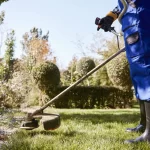
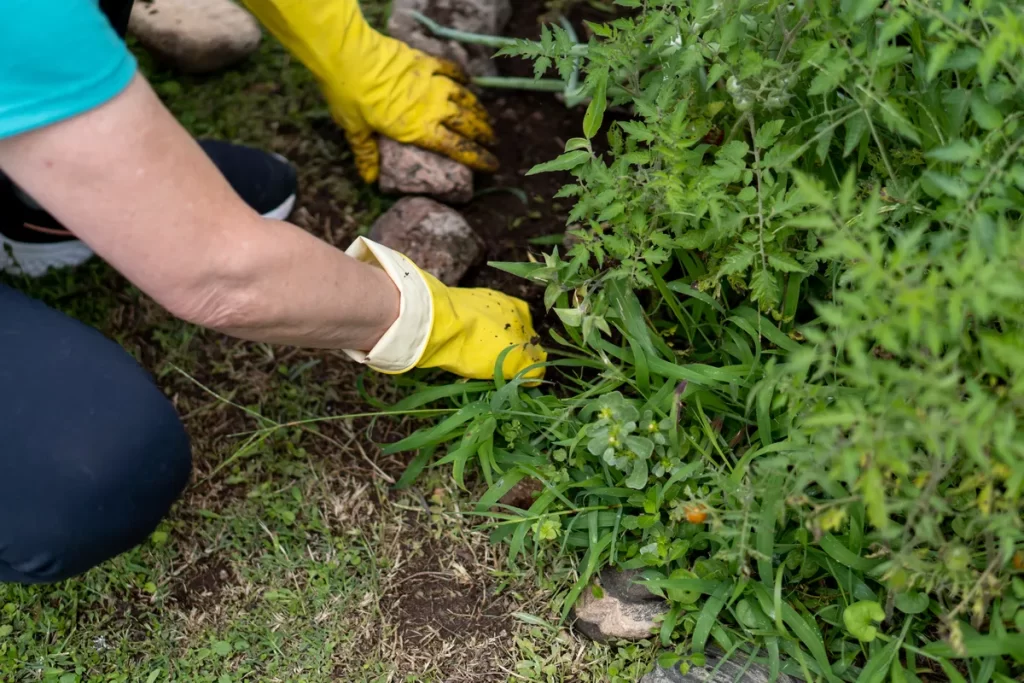
Weed removal works best when it is paired with prevention, healthy soil, proper mowing, and consistent landscape maintenance. In some areas of Western Washington, common weeds can spread quickly after wet spring weather, so the most effective approach is to identify the weeds, remove them before they go to seed, protect bare soil with mulch or dense planting, and keep lawns thick, to naturally reduce weed growth.
At Ballinger Landscaping, we know weed control is not just about pulling unwanted plants after they appear. Weeds are usually a sign that part of the landscape is giving them an opportunity. Thin turf, compacted soil, exposed garden beds, inconsistent mowing, and poor maintenance habits can all make it easier for weeds to move in. A healthier lawn and garden starts by correcting those conditions.
How to Remove and Prevent Weeds in Washington Lawns and Gardens
1. Identify annual, biennial, and perennial weeds before removing them
The first step in weed control is understanding what type of weed you are dealing with. Different weeds grow, spread, and return in different ways, so the right removal method depends on the plant.
Annual weeds complete their life cycle in one year. They grow, flower, produce seed, and die, but the seeds they leave behind can create another round of weeds the following season. Chickweed and crabgrass are common examples. Because annual weeds spread heavily through seed, early removal is important.
Biennial weeds take two years to complete their life cycle. They often grow leaves during the first year, then flower and produce seed during the second. Common mullein and garlic mustard are examples. These weeds are easier to manage when they are removed before they reach the flowering stage.
Perennial weeds live for more than two years and can be more persistent. Dandelions, bindweed, and other deep-rooted or spreading weeds may return if the full root system is not removed. For these weeds, cutting off the top growth is rarely enough.
In Western Washington landscapes, this distinction matters because wet spring conditions can encourage fast weed growth before homeowners notice the problem. Once summer arrives, weeds compete with lawns, shrubs, perennials, and garden plants for water and nutrients.
2. Remove weeds early and before they go to seed
The best time to remove weeds is when they are young, actively growing, and easier to pull from the soil. Once weeds flower and produce seed, the problem becomes harder to control because those seeds can remain in the soil and germinate later.
Hand-pulling works well for smaller infestations, especially when the soil is slightly moist. The key is to remove the entire root whenever possible. For weeds with deeper roots, tools such as dandelion diggers, hoes, and spades can help loosen the soil and reduce regrowth.
After removing weeds from a lawn, small divots should be repaired with topsoil and grass seed when needed. Leaving open spots behind can create the same problem because bare soil gives new weed seeds space to germinate.
3. Build healthier soil so desirable plants can outcompete weeds
Weeds often appear where the lawn or garden is stressed. Compacted soil, poor drainage, low organic matter, and weak turf can all create conditions where weeds have an advantage.
Healthy soil supports stronger roots, better moisture retention, and more vigorous plant growth. In lawns, this may involve aeration, overseeding, proper fertilization, and steady mowing routines. Spring fertilization can also help grass thicken before weeds become more aggressive. A denser lawn leaves less exposed soil, which makes it harder for weed seeds to establish.
This is one reason professional lawn care in Shoreline should look beyond surface-level weed removal. The goal is not only to eliminate weeds that are visible now, but to make the landscape healthier so future weeds have fewer opportunities.
4. Use dense planting to shade soil and limit weed growth
Bare soil is one of the easiest places for weeds to take hold. Dense planting can help reduce open space and shade the soil surface, making it harder for weed seeds to germinate.
This does not mean overcrowding plants. It means choosing appropriate shrubs, perennials, ground covers, and ornamental plants that can fill the space naturally as they mature. The best plant choices depend on sun exposure, soil conditions, drainage, and the level of maintenance the property receives.
For homeowners looking for gardening services in Shoreline, this kind of planning can make garden beds easier to maintain and more attractive throughout the growing season.
5. Apply mulch properly to protect garden beds
Mulch is one of the most effective tools for weed prevention in garden beds. A properly-applied layer helps keep weed seeds in the dark, slows germination, conserves soil moisture, and gives planting areas a clean and finished look.
Organic mulches such as wood chips, bark, and straw can improve soil quality as they break down. This is valuable in local landscapes where soil conditions may vary from damp and compacted to dry and exposed during summer.
Mulch should be applied thoughtfully. Too little may not block enough light to suppress weeds, while too much can trap moisture around stems or tree trunks. As a general practice, mulch should be kept slightly away from plant crowns and trunks to reduce the risk of rot.
6. Use herbicides responsibly and only when needed
Herbicides should be used carefully and, in many cases, as a last resort. Shoreline and nearby communities are close to sensitive water systems, which makes runoff prevention especially important.
When herbicides are used, targeted application is better than broad spraying. Products should be selected for the specific weed problem and applied according to the manufacturer’s instructions. It is also important to avoid spraying before rain, near drainage paths, or in conditions where product can drift onto desirable plants.
We recommend avoiding weed and feed products when possible because they apply herbicide across the entire lawn, even in areas that may not need treatment. A more targeted approach is often better for the landscape and the surrounding environment.
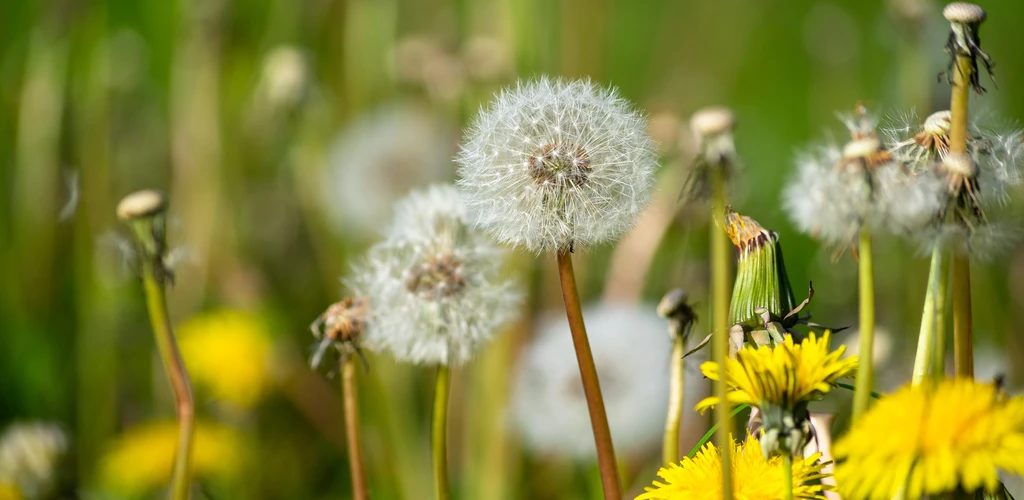
Common Weeds Found in Shoreline Landscapes
The best weed control strategy depends on the weed, the setting, and the condition of the surrounding lawn or garden. That is why consistent observation and seasonal maintenance are so important.
- Dandelions are among the most familiar lawn weeds in our area. They are best removed when the soil is moist so the taproot can be pulled completely. If part of the taproot remains, the plant may regrow.
- Crabgrass is an annual grassy weed that can spread quickly in thin or stressed turf. A thicker lawn, proper mowing height, and early-season prevention can help reduce crabgrass pressure.
- Clover can appear in lawns where soil conditions favor it. Clover provides nitrogen to the soil and supports pollinators, but many homeowners prefer to manage it for a more uniform lawn appearance.
- Thistle should be removed before it flowers and goes to seed. Its taproot can make it difficult to control if it becomes established.
- Bighead knapweed should be addressed early before it spreads further. Digging out the taproot is important to reduce regrowth.
- Bittersweet nightshade should be handled carefully. Small plants can be pulled while wearing gloves, and larger plants should be dug out with attention to the root system.
What a Strong Weed Prevention Routine Should Include
A healthy, lower-maintenance landscape comes from consistent care rather than one-time weed removal. For most properties, an effective routine includes early weed identification, hand removal before seed production, healthy soil, proper fertilization, dense planting, seasonal mulch, edging, and regular lawn mowing at the correct height.
It should also include careful decisions about herbicides. In areas near water, drainage systems, and natural habitat, environmentally conscious weed control is especially important. The goal is to protect the appearance of the property while also supporting the health of Shoreline’s broader ecosystem.
When these habits are maintained throughout the season, lawns grow thicker, garden beds stay cleaner, and weeds become easier to manage before they turn into larger infestations.
Professional Weed Removal, Lawn Care, and Garden Maintenance
Weed control is most effective when it is part of a complete maintenance plan. Mowing, edging, mulching, soil care, garden bed cleanup, and seasonal inspections all help reduce weed pressure while improving the health and appearance of the landscape.
At Ballinger Landscaping we provide professional gardening services, lawn care, lawn mowing, weed removal, and landscape maintenance for properties in Shoreline, Lake Forest Park, Edmonds, and Mountlake Terrace. Our team understands the local growing conditions that affect lawns and gardens, from wet spring weed growth to dry summer stress.